Dispatch from Page
Page, Ariz. Citizens File Referendum to Veto City Council’s Decision to Sell 500 Acres for Data Center Development
by Beth Henshaw – 12.10.2025 – 5 min. read
One month after Page, Arizona’s City Council voted 5-2 to approve the sale of 500 acres of recreational land to Huntley LLC for a $10 billion data center project, Page residents filed a referendum to veto the council’s vote. Opponents cite a myriad of irreversible environmental impacts including air pollution, noise pollution, light pollution, water usage, waste, and degradation of open space currently used for recreation.
Data centers are the physical buildings that store and process servers used for training and producing artificial intelligence (AI), ChatGBT, cloud storage, and cryptocurrency processing. They are known for their heavy water and electricity consumption.
Opposition from the community was made clear when residents packed the room during the city council meeting on October 22, 2025, and urged the council to vote “no” to the land sale.
Teyana Begay, a 19-year-old Navajo woman from LeChee, said, “We won’t be able to take our horses out for a stroll, or ride quads or dirtbikes or go for a simple walk there anymore. The fact that the council is ready to give up this land we grew up on so easily—it hurts. It hurts our community.”
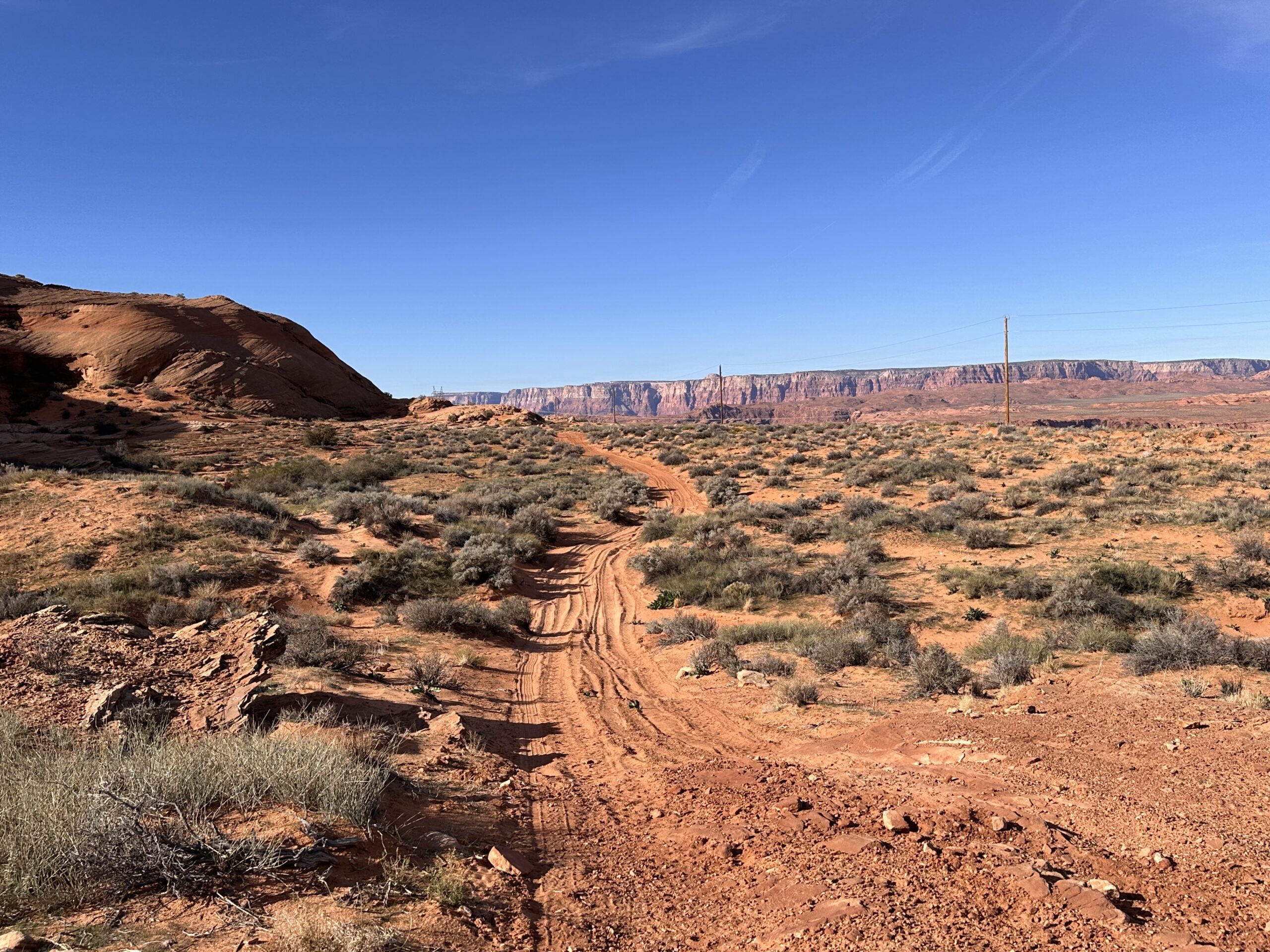
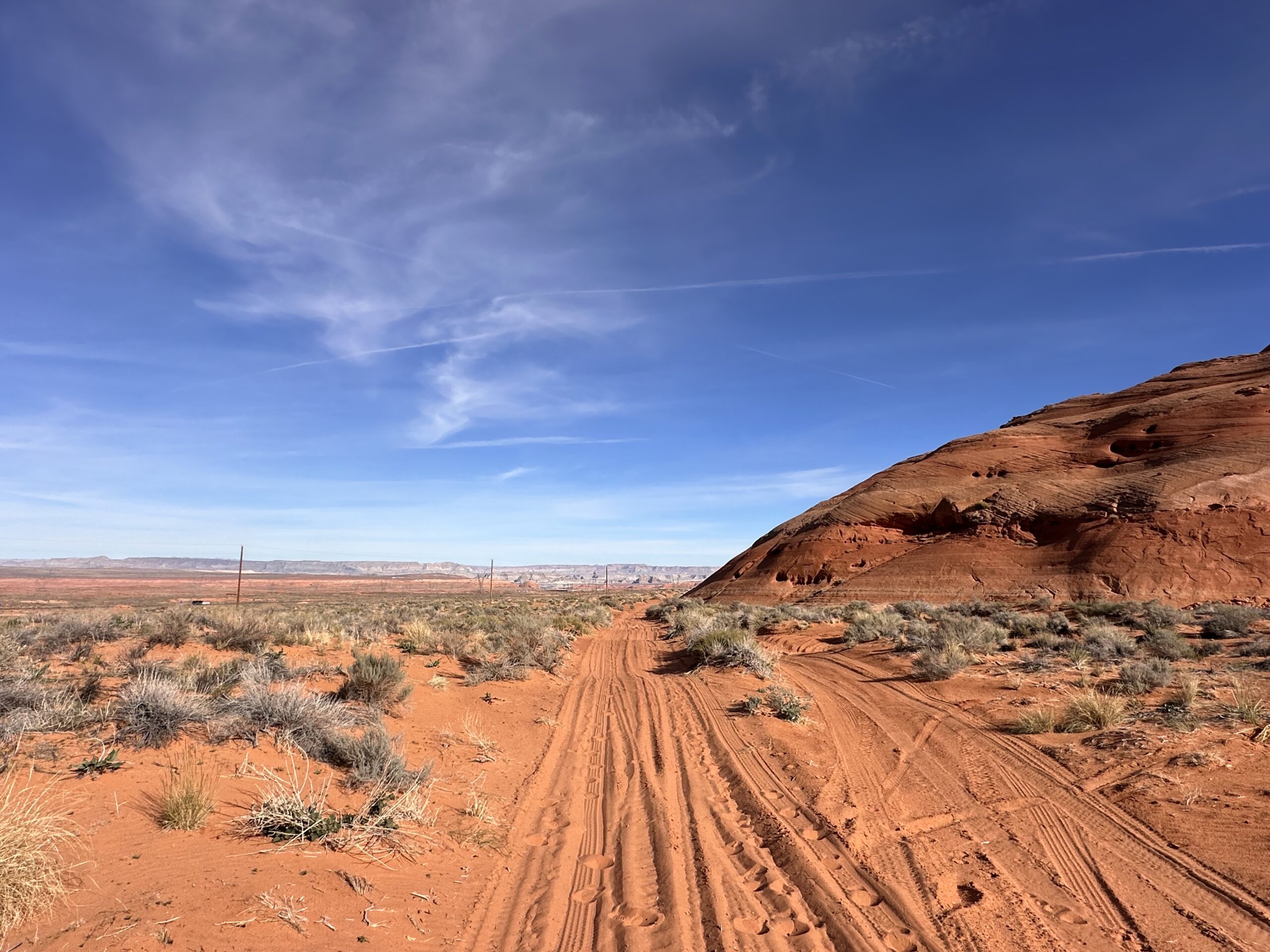
Some residents said they were not opposed to data centers in Page, but are against the sale of city-owned open space and to the proposed location. The 500 acres is less than one mile from Horseshoe Bend, a destination for tourists from around the world.
Residents who rely on a tourism-driven economy worried a data center visible from Horseshoe Bend would negatively affect visitation, as well as destroy the environment they rely on for guided slot canyon, kayaking, canyoneering, and hiking tours.
But others say those concerns are overblown. Councilor Kenna Hettinger, who voted in favor of the sale, said in a public statement, “I don’t believe visitors will stop coming to see Vermilion Cliffs or Horseshoe Bend because they pass a well-designed facility on another stretch of highway.”
Concerns go beyond the impacts to views and tourism, however. “I’m really worried about the noise and the amount of water and electricity it’s going to use,” said Steven Law, a 20-year resident of Page.
Arizona’s largest electricity provider Arizona Public Services (APS) reported in 2025 that data centers currently use around 350 megawatts, but demand has tripled from 30 data centers requesting up to a combined 18GW of power, potentially consuming 16% of Arizona’s power by 2030.
Data centers consume large amounts of water to cool their system and processor chips. According to the Environmental and Energy Study Institute (EESI), “Large data centers can consume up to 5 million gallons per day, equivalent to the water use of a town populated by 10,000 to 50,000 people.”

Water use is of vital importance for people in Page, a town with less than 8,000 residents, who have seen first-hand the effects of a 20-year megadrought on the Colorado River and declining water levels at Lake Powell, which currently sits at 27% of full pool.
“The buyer has publicly committed to the most water-efficient cooling available at time of construction, and if they cannot source water within the limits Page is able to offer or wants to offer, they must secure water rights and infrastructure themselves. If they do that, Page gains a secondary water source into our community, a resilience benefit we don’t have today and desperately need,” Hettinger said.
Residents balked at the idea of the buyer being able to secure their own water rights from the over-allocated Colorado River and worried they would drain groundwater that neighboring communities rely on.
“Many people on the Navajo reservation don’t have access to clean tap water. They rely on hauling drinking water from Page to their homes on the reservation. The town of LeChee relies on well water. This data center is going to drain every drop,” Begay said.
Residents in Newton County, Georgia, told the New York Times that their well water ran dry just months after construction of a Meta-owned data center in 2018. They live only 1,000 feet away from the data center, and report sediment build-up, cleanliness and drinkability issues with their well water today. Residents in Newton County also reported soaring costs of municipal water, but Meta has denied any connection between their data center and deteriorating water quality.
Page City Councilors who voted yes to the land sale assured residents that they would find out the answers related to water usage, job creation, electricity usage, and environmental impacts in the next 18-24 months after the developer conducted a feasibility study.
Page residents, however, were not satisfied with the lack of concrete details and the discussions the city council held about the data center in executive session, from which the public is barred.
“The city council said the data center is not going to use any water, that it’ll use a closed loop system. The developer is being evasive if that’s going to happen. It seems like the city council is just taking the word of the developer. We want to see contracts, exact maps, and we want answers,” Law said.
Former Councilor and retired U.S. Park Service official Brian Carey spoke at the meeting and said, “Only four weeks after a single public presentation, we are expected to swallow a $10 billion project with no details, no engineering plans, making outlandish economic promises, and hiding key partnerships.”
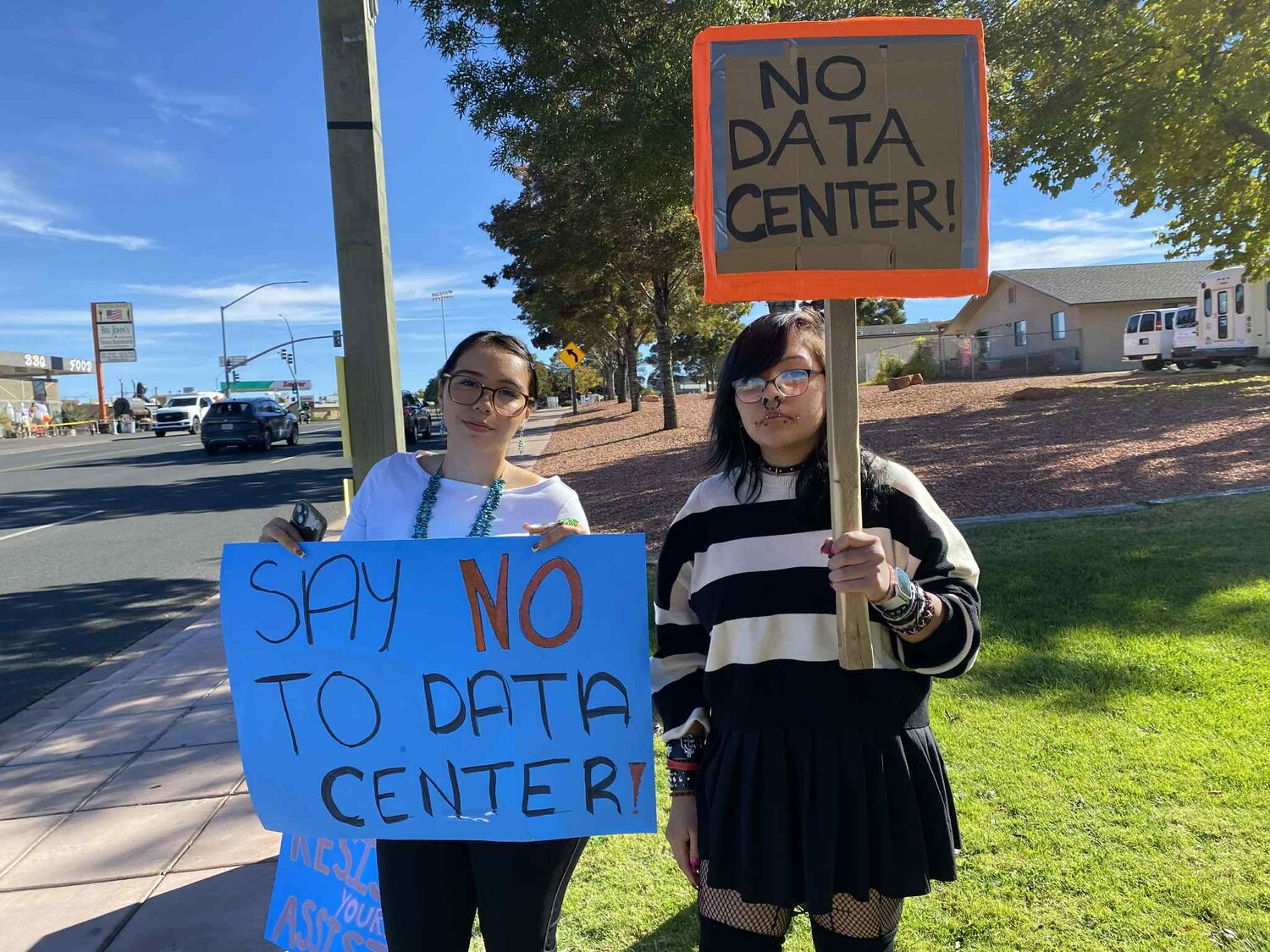
Opponents staged a protest and set up an information booth in downtown Page on Nov. 1, which drew locals in to learn about the proposal. And an online petition titled “No Data Center in Page, AZ” garnered over 1,300 signatures in under a week. However, online petitions hold no legal power and can only be used to demonstrate opposition.
Less than two weeks after the vote, an official referendum was opened by Page residents that gained 405 hand-signed signatures and was successfully filed with the city clerk, which will now undergo a signature verification process. If the referendum passes, it will go to a ballot vote in 2026.
Neighboring communities like LeChee and Greenhaven expressed frustration that they could not sign the referendum since they reside outside of Page city limits but are still within a few miles of the proposed data center, and believe their quality of life, air and water will be negatively affected.
Opposition to data center development is widespread across the country and is being tracked by Data Center Watch, who found that between May 2024 and March 2025, $18 billion worth of data center projects were blocked and another $46 billion of projects were delayed due to opposition from residents and activist groups.
St. Charles, Missouri, became the nation’s first municipality to enact a city-wide ban on data center construction after thousands of residents protested.
In Cascade Locks, Oregon, voters successfully recalled two officials after they supported a $100 million data center project in 2023. The newly elected board canceled the project.
CNBC reported that Virginia, which has the highest concentration of data centers in the world, saw a 13% increase in electric bills, paid by the residents. Virginia has now emerged as the state with the most activist groups campaigning to regulate, delay, or stop data center development.
Data Center Watch also found that the opposition is bipartisan and found that concerns over water use and power consumption gained support from both Democrats and Republicans.
Opponents of the Page data center continue their pushback as they await the results of the signature verification process.
“Page, Arizona has natural beauty, clean air and quiet spaces. We’re the town where people come and vacation to get away from their cities and data centers,” Law said.
Republish
Republish Our Content
Corner Post's work is available under a Creative Commons License and under our guidelines:
- You are free to republish the text of this article both online and in print (Please note that images are not included in this blanket licence as in most cases we are not the copyright owner) but:
- you can’t edit our material, except to reflect relative changes in time, location and editorial style and ensure that you attribute the author, their institute, and mention that the article was originally published on Corner Post;
- if you’re republishing online, you have to link to us and include all of the links in the story;
- you can’t sell our material separately;
- it’s fine to put our stories on pages with ads, but not ads specifically sold against our stories;
- you can’t republish our material wholesale or automatically—you need to select stories to be republished individually;
- you have to credit us, ideally in the byline; we prefer “Author Name, Corner Post,” with a link to our homepage or the article; and
- you have to tag our work with an editor’s note, as in “This article was paid for, developed, and originally published by Corner Post. Corner Post is an independent, nonprofit news organization. See cornerpost.org for more.” Please, include a link to our site and our logo. Download our logo here.
Beth Henshaw is a writer and outdoor educator based in Page, Arizona. She is pursuing her M.F.A. in creative nature writing at Western Colorado University and publishes regularly on her blog www.empathicadventurers.com. Her videos and repeat photography of Lake Powell’s fluctuating lake levels have reached over 30 million views on her Instagram (@blog_by_Beth).

4 thoughts on “Page, Ariz. Citizens File Referendum to Veto City Council’s Decision to Sell 500 Acres for Data Center Development”
Is the proposed area near what is referred to as The New Wave? Thank you for bringing more awareness to this cause.
That is a big mistake all the way around!!! City council has NO regards for our land! Our water is sacred, our land is sacred, the city of Page is where we raised our children. I am very upset, maybe it’s ok for people with money to throw around to buy a piece of land and contaminate it for the profit. No regards for our health. I pray this company decides to not go forward with this.
These city council members have a serious case of cognitive dissonance. We have all been watching the water steadily drop in the lake over the past two decades. This will not reverse. There is no water for something like this center and to vote to approve it before any tangible studies have been performed and to simply take the company’s word that they’ll find an alternate source of water (where, pray tell?) indicates that those city council members need to be recalled. The city of Page could not even bring themselves to partner with the Glen Canyon Conservancy to save the Powell Museum, a decades-old wonderful source of information for visitors and residents alike. But they will give away every last drop of water for something like this. Follow the money and watch our water dwindle to nothing.
How did counsel come up with 14,000 per acre. When comp show 70+ per acre